
noticias
What We Learned About Sustainability This Summer
September 24, 2026
By Amanda Solliday, Ph.D., Sustainabloom Senior Manager
The sessions opened the door to conversations about what’s working, where people are getting stuck, and what questions still need better answers.
This summer, I had the opportunity to sit down with floral professionals at several industry events and explore a deceptively simple question: What does sustainability look like to you? During sessions covering resources from the American Floral Endowment’s Sustainabloom program, which I manage, we heard from florists, researchers, and other industry members.
The sessions opened the door to conversations about what’s working, where people are getting stuck, and what questions still need better answers. As we talked through these successes and challenges together, a few common themes began to emerge.
Insights from Retail and Event Florists
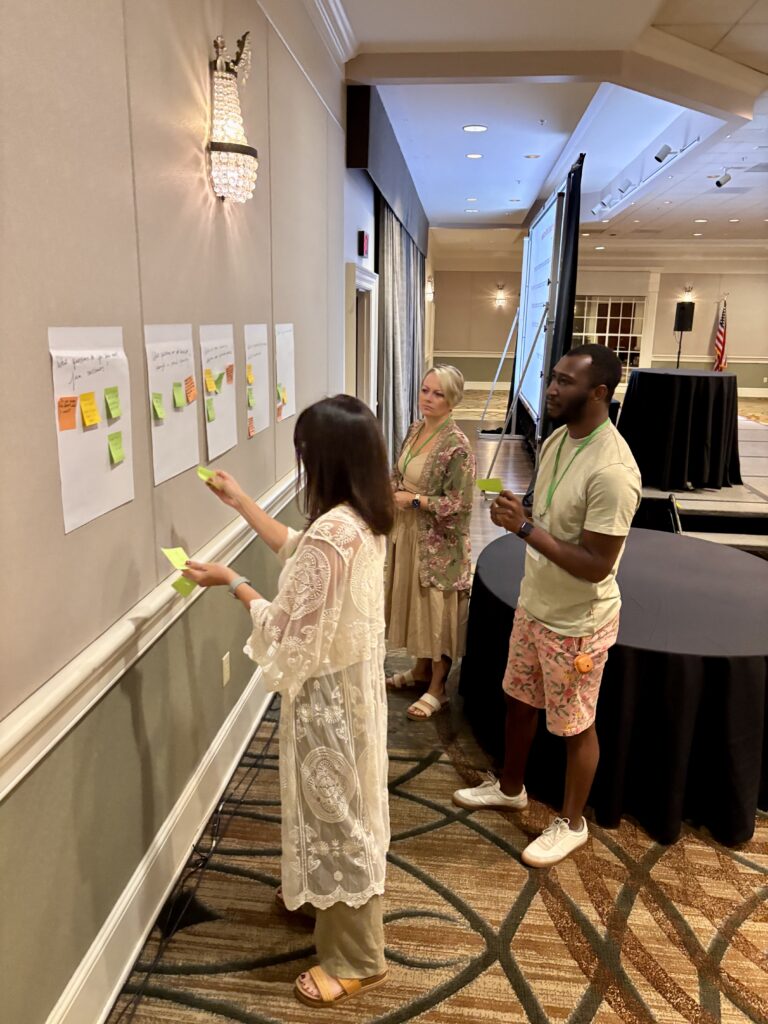
During the workshops with florists, participants worked through newly developed plantillas para la planificación de la sostenibilidad, identifying what they’re already doing and areas where they’d like to make progress. Together, we talked through what sustainability can look like in the day-to-day reality of floral work.
This is one of the main objectives of Sustainabloom, which centers on sustainability education, outreach, and research in the floral industry. For me, one of the most interesting parts of the discussion was hearing the sustainability questions customers are asking retail florists.
Many of the questions florists hear from customers are practical ones: “Where did these flowers come from?” “What happens to them after an event?” “How can I make them last longer?” Florists also heard from customers who want to support local growers, along with questions about the cost and availability of more sustainable options.
Interest doesn’t necessarily make implementation easy. The discussion also showed that many barriers to sustainability persist. Cost came up most often, but it wasn’t the only challenge. Participants also pointed to the time and effort involved in learning new practices, as well as finding and trusting alternatives to familiar products.
To manage green waste, florists mentioned that it can be difficult to sort materials for composting. Lack of information about where to start can also make change difficult, particularly when more sustainable choices aren’t as easy to use or readily available.
The Best Ideas for a More Sustainable Floral Industry Are Already Taking Shape
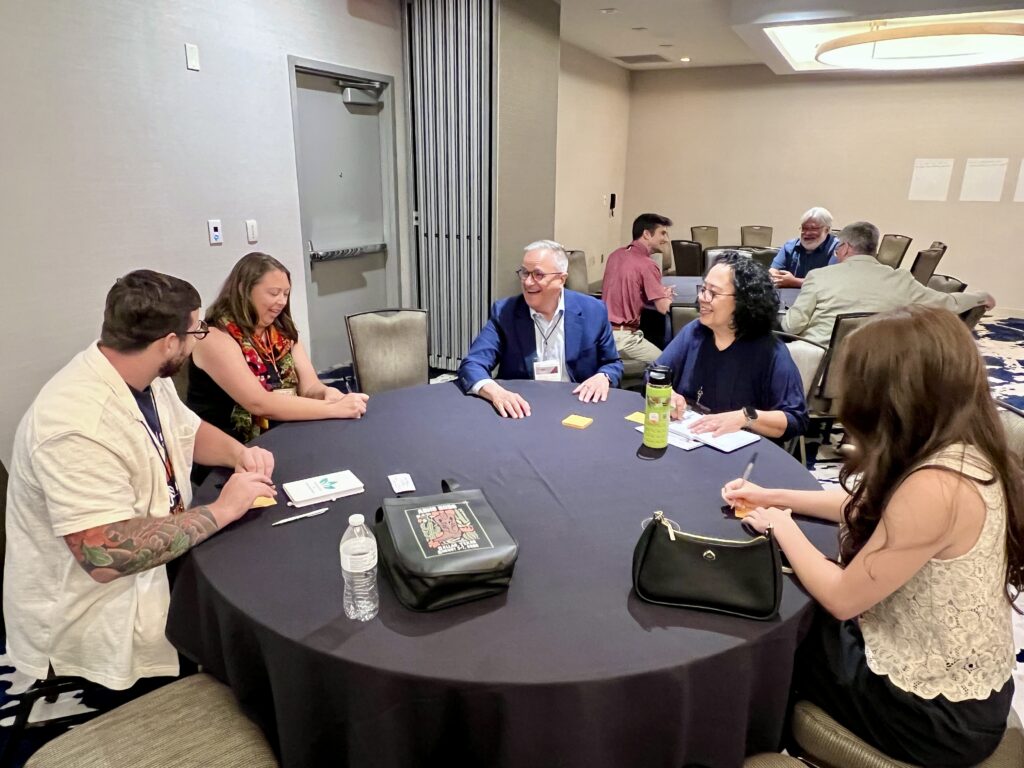
Some of the challenges raised by florists overlap with questions researchers are already investigating, while others point to areas where more work is needed. In the session with academics and industry members, university researchers shared their latest findings. Scientists are working on how to conserve water, improve vase life, and breed varieties that are resistant to environmental extremes.
They know packaging is top of mind for floral customers, and businesses can be limited by time and cost. These are areas where continued research, education, and collaboration across the floral industry can help turn unanswered questions into working solutions.
What might we be working toward? When we asked florists to describe their dream scenario for sustainability, many imagined a floral industry where the more sustainable choice is also the easy choice. No single-use plastics. Reusable mechanics. Local flowers. Affordable options. Participants also envisioned reducing waste through composting, getting the most out of the products they use, and continuing to improve how they grow and work with flowers.
After this summer, I’m convinced that many of the best ideas for a more sustainable floral industry are already taking shape among the people who study and work with flowers every day. And it’s exciting to be part of what comes next.
Thank you to the organizers at the American Institute of Floral Design Symposium, the North Carolina State Florists Association Convention, and the American Society for Horticultural Science annual conference.
Download your own free sustainability planning template today.
Noticias relacionadas
Ver todas las noticias
Noticias


