
news
Champion of Sustainable Change: Pilar Zuniga Charts New Course for Floristry Members
February 25, 2026
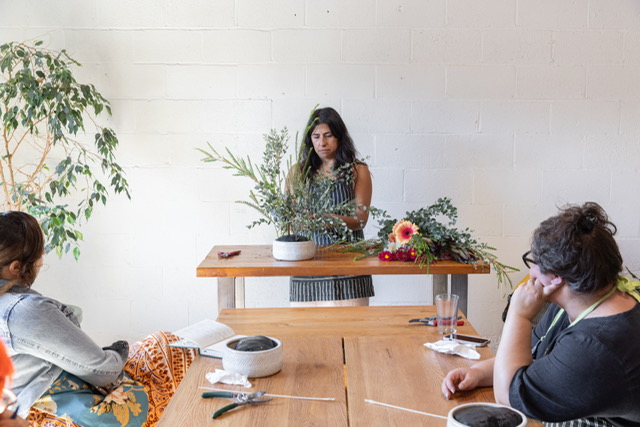
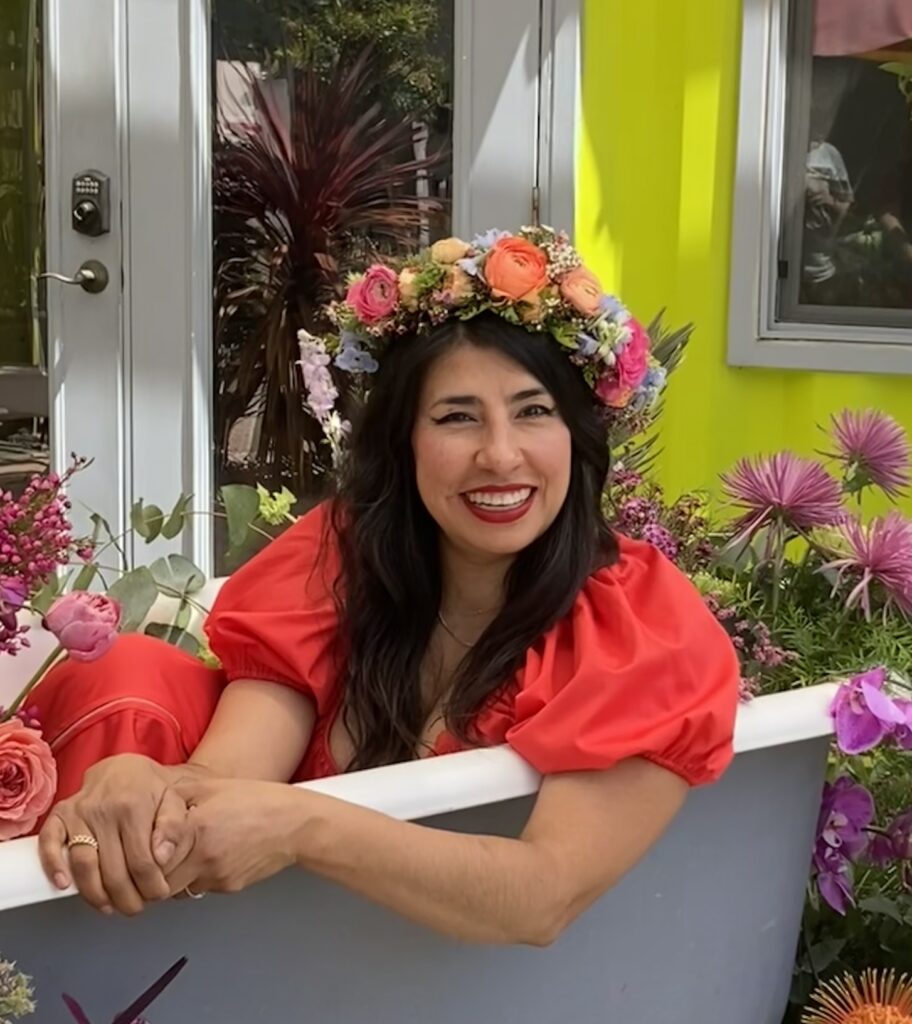
In the early years of Pilar Zuniga’s professional career, she poured her talents and knowledge into the nonprofit sector, focusing on education and public health. On the side, she dabbled as a floral designer, an interest that grew from her childhood after recognizing she had a lens for it.
It was a time when society wasn’t talking much about sustainability in the floriculture industry, but it was a concept that weighed heavily on Pilar’s mind. She couldn’t help but connect the dots between the lessons from her full-time job and the practices of her floral side job.
There was a place to blend floristry and sustainability, and Pilar seized the opportunity to start the discussion and make a change. The result was a step back from her full-time job and a renewed focus on floral design. In 2008, she launched Gorgeous and Green. Two years later, she opened her first brick-and-mortar location in Berkeley, California.
“I brought it back to public health and the environment,” she said. “The business was floral design, all looking at sustainability. I began sourcing locally and finding organic as much as possible and was plastics-free.”
Finding Opportunity
The demand for sustainable products in the floral industry drove Pilar’s business so much so that she moved to a larger brick-and-mortar location in Berkeley, managed a staff of five, and was open seven days a week. While she worked to sustain herself as a small business owner, she never lost sight of the bigger picture.
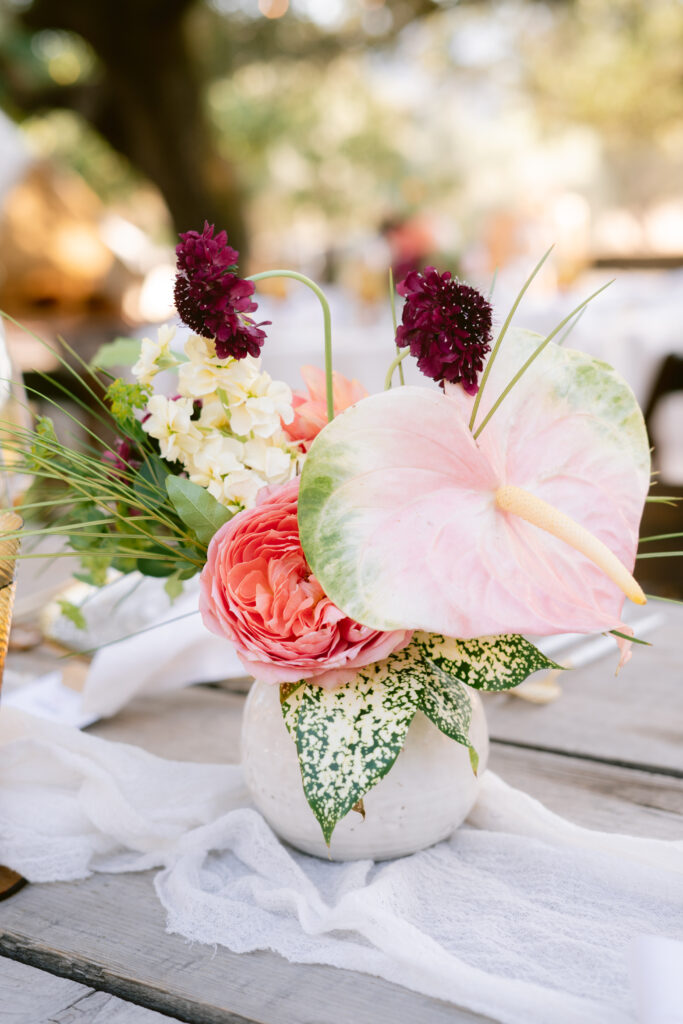
“In terms of sustainability, it is not only about the flowers but looking at every opportunity in the business and making it another opportunity,” she said. “That was the focus.”
Some of the changes Pilar implemented included partnering with a bike courier to deliver orders, which she said at the time handled about 90 to 95 percent of the deliveries. She purchased vehicles that run on vegetable oil, an alternative bio-diesel, and electric cars. She replaced plastic buckets with metal containers, selected compostable items to complement the arrangements and found design alternatives for floral foam.
Although her business was developing rapidly, she found it difficult to relay messages to others about the benefits of sustainability in floral design. She found an outlet to educate through the internet and poured her energy into developing a website that served as not only a store for her products but also a hub for information about the greener practices she implemented in her business. Not long after, in 2016, Pilar realized that transferring her business to fully online furthered her sustainability efforts.
Growing a Green Mindset
While the business continued to evolve and Pilar found more opportunities to elevate her sustainability efforts, she admits it wasn’t always easy. A lack of resources at the time slowed sustainability in the industry, and she spent a lot of time educating and advocating to get customers and fellow industry partners to change their behaviors.
“They wanted certain looks, and I had to offer a lot of alternatives in keeping with my business ethos,” she said. “It took some time to develop that trust that the customer would like what I was willing to do.”
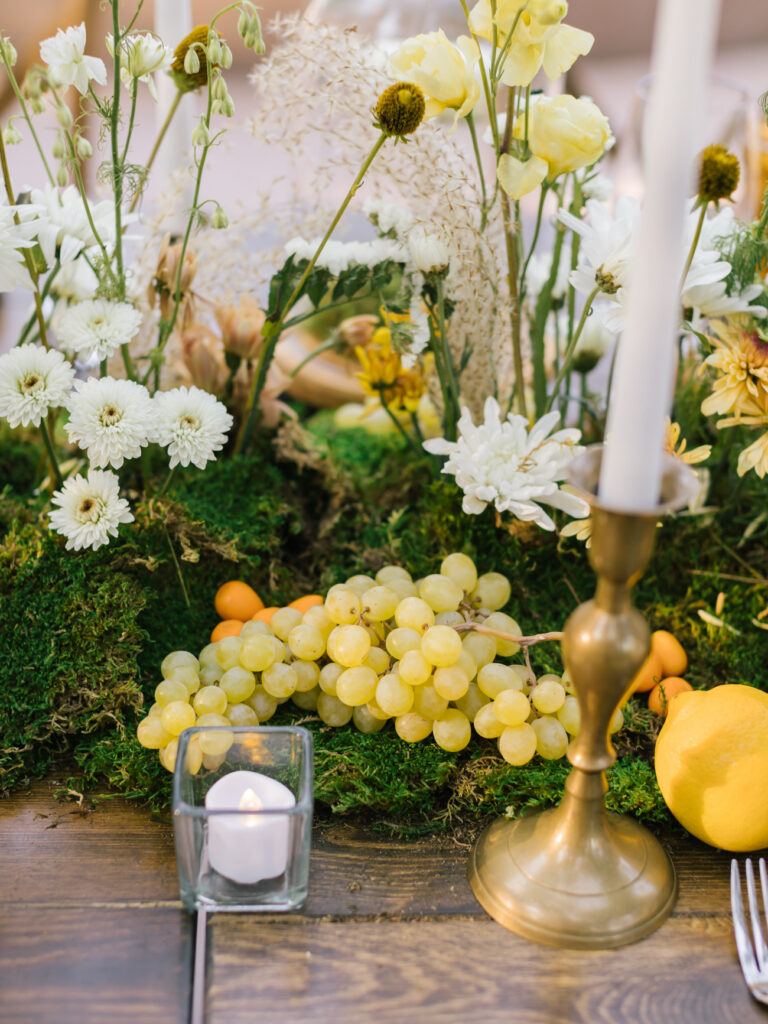
She said she also spent time trying to educate others in the industry, helping them to look deeper into their own efforts and make changes.
“In floristry, there wasn’t, and still isn’t, as much clarity about what all goes into the process,” she said. “For example, are we taking a look at what plastic might have been associated with the flowers before they ever got to the end consumer? Maybe they have been wrapped in plastic once or twice or maybe more before they got to us. We all need to be looking at how we can reduce some of that and look at systems that are a better way.”
To further that education, backed by years of developing an eco-friendly way of running her business, Pilar decided to share her lessons with others. She opened the Sustainable Flower School, a series of sessions and workshops that guide new and existing florists, business owners and designers on their path to sustainability. Students learn more about sourcing locally grown and sustainable flowers and foliage, an introduction to growing their own products, and tips for less waste and green alternatives in special event pieces, such as bridal bouquets and hair pieces.
Pilar said working with industry professionals in the school has revealed the biggest stumbling blocks they face in their sustainability efforts include navigating unknown costs associated with alternatives and operating under a formulated, mainstream learning method, preventing the ability to think outside of the box.
“It’s a lot about changing the thought process and being able to question whether there is a better way,” she said. “Sustainability in the industry is always going to be changing, so folks have to be willing to be open to new ideas.”
Turning the Tide
Sustainability in floriculture has made strides over the years, Pilar said, but the industry has a long way to go, especially from larger entities that can stand to make the most impactful differences.
“Just like food, you have farmers markets, so you are getting that transition on the local level. The same idea with flowers, you are starting to see little tables with more sustainable offerings, but I would like to see that on a wholesaler level. I would love to see a systematic change in larger systems.”
The same grassroots efforts are being made for industry products like plastics, where smaller businesses are working to offer more eco-friendly options. Her hope is that the availability of alternatives becomes more mainstream and readily available.
Those changes, she said, are made easier when there is more guidance and information supplied to the floral business as the initial consumer and more education for the end consumer.
“It is about making a commitment and looking ahead,” she said. “When everyone is well informed and educated about sustainability in the floral industry, it will be important to offer solutions. And as organizations and industry professionals continue to educate and inform, the number of people who are willing to make a change will grow larger and will become the majority.”
Sustainability is a journey, and every step – from asking questions to implementing new practices – makes a difference. Sustainabloom offers free, research-based resources, industry spotlights, and educational tools designed to help businesses of all sizes navigate that journey with confidence, clarity, and achievable next steps. Find more inspiration and resources for sustainability in floriculture from Sustainabloom here. You can also see more spotlights from industry members making strides with sustainability here.
By Carla Dempsey


