
news
Sustainabloom Guide for Substrates
April 17, 2026
In flower production systems, substrates can offer several advantages over soil, including lower pest and pathogen pressure, fewer weed seeds, reduced risk of heavy metal contamination, and lighter weight. They also provide greater flexibility in production location and scale, improved management of water and air pore space, expanded opportunities for year-round production, and increased water use efficiency.
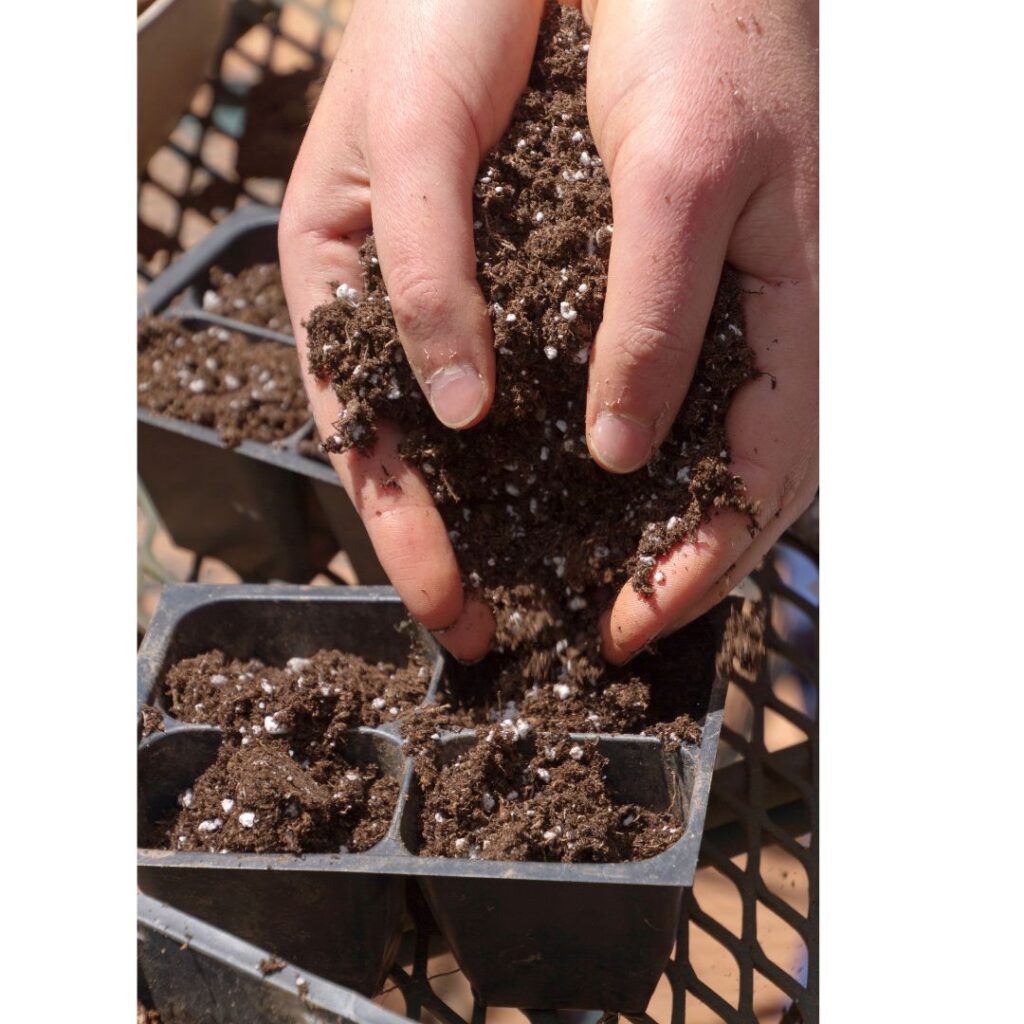
Substrates are core components for plant health and vitality, as well as an element of environmental impact and sustainability outcomes. A well-structured substrate can lead to a healthier return on investment, as plant development is heartier and there can be less financial burden on the business owner for things like fertilizers and pesticides. All the while, the optimal substrate takes a gentler toll on the environment.
As part of Sustainabloom, an initiative launched by the American Floral Endowment (AFE) to bring the latest research, education, and opportunities about sustainability to the industry, researchers have developed an in-depth point of reference about substrates for growers. The guide draws from expert research in the field to bring to the forefront the advantages of soilless growing mediums and the focus of sustainability behind them.
For growers who may be beginning a substrate growing strategy, or for those looking to enhance an existing program, the researchers outline several places to start. The tips include advice such as bulk substrate mixes to reduce plastic usage, what to look for on packaging to identify certified products, recycling materials from substrates, and the use of organic materials with substrates. The researchers offer links for growers to learn more about emerging peat alternatives, including coconut coir, biochar, compost, and wood fiber. Alternatives are a way industry members can move away from the use of peat, a highly sought after, yet not readily renewable, resource that removes and stores greenhouse gases from the air. Once harvested, those gases are released causing an unfavorable impact on the environment.
To put real-world experience into the research, the guide also offers a glimpse into the waste reduction and material repurposing practices of Neal Mast Greenhouses, a Michigan-based wholesale grower dedicated to sustainability in the industry. Growers can learn how Neal Mast Greenhouses is looking to grow its collaboration efforts with landscapers and others who are interested in more eco-friendly practices.
As with all of Sustainabloom’s guides for retailers, wholesalers and growers, the Substrates guide is supplemented with additional resources, research links, reports and more to help industry members meet sustainability goals. AFE is committed to keeping the guides and resources updated as the industry and sustainability continue to evolve.
Sustainabloom is an initiative created by the American Floral Endowment (AFE) to lead the charge of floriculture sustainability. The research-driven program provides comprehensive guides catering to each segment of the industry. Check out all of Sustainabloom’s guides currently available covering topics including Circular Economy, Composting, Consumer Demand and Preferences, Integrated Pest Management, Nutrient Management, Plastics, and Substrates. Additional guides due out soon will cover: H2A/H2B Work Visa, Living Wage, Water Conservation, Carbon Accounting/Footprint, Energy Use, and Lighting. The program also offers free resources, such as industry spotlight articles, certification information, assessment tools and more.


