
news
Cutting Waste One Bouquet at a Time
June 26, 2026
How GIANT Grocery Stores Trimmed Plastic Floral Waste
By rethinking their floral plastic sleeves, The GIANT Company, known locally as GIANT and MARTIN’S, was able to reduce six tons of plastic annually. It’s a seemingly small change with outsized results.
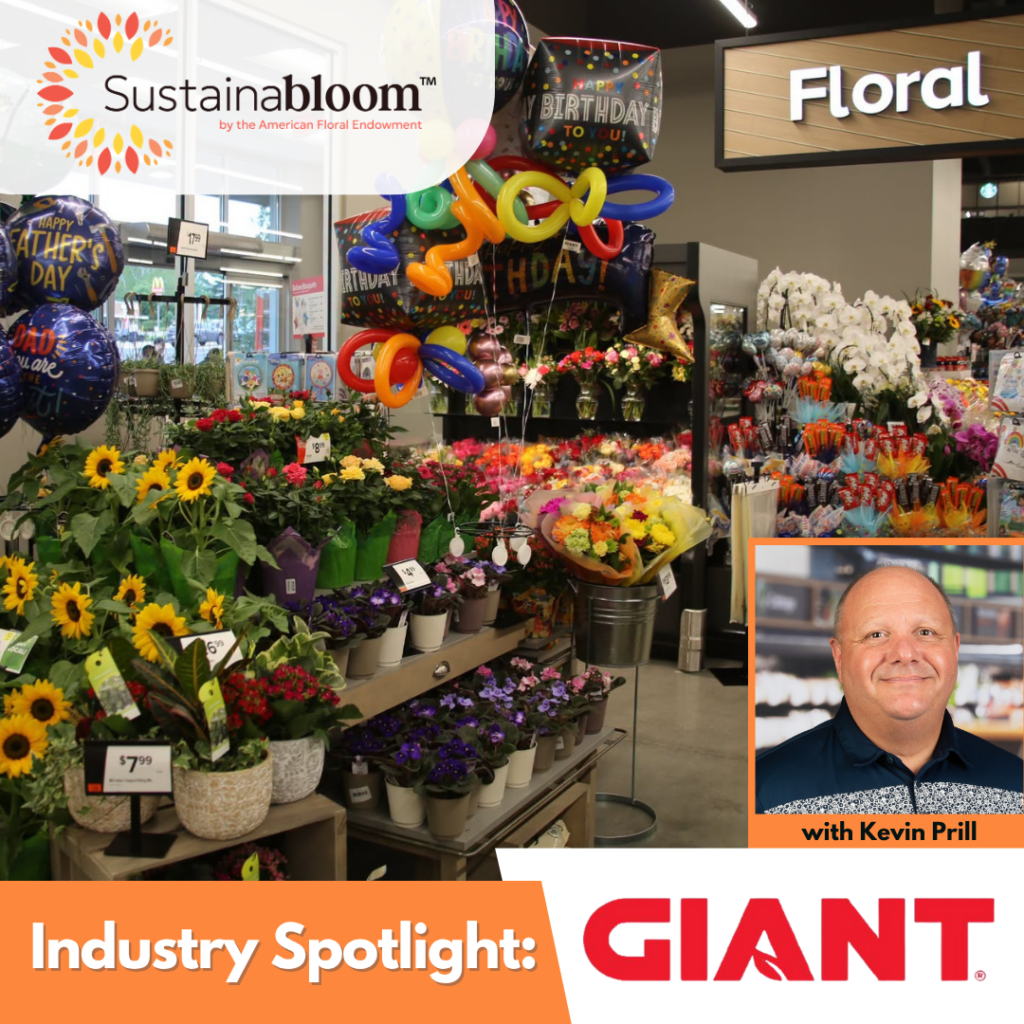
The new sleeves are thinner and shorter than the standard floral sleeve. Before the switch, product and consumer testing revealed no changes in quality or appearance compared to the traditional sleeves. And when they printed the change on floral sleeves in stores to call out the reduced plastic use, customers noticed.
“Customers comment on it and say it’s great we are doing this. We’ve had no complaints,” says Kevin Prill, the category manager of floral for The GIANT Company. Prill manages floral purchasing for roughly 200 stores across Pennsylvania, Maryland, Virginia, and West Virginia, where the company is seeing strong growth in bouquet sales.
“As a company, we are always looking to be as sustainable as possible. And for floral, we wanted to start with the quickest and biggest impact we could do right away,” Prill says.
Making the Switch
Together, the floral team examined sleeves with different thicknesses, lengths, and plastic mixes to reduce total plastic used for packaging flowers. Each had different benefits. However, a switch from the standard manufactured sleeve, such as reducing the amount of plastic, would create a custom product from the manufacturer’s perspective. For GIANT’S new sleeves, the cost difference was minor – about ½ cent per sleeve.
Given the positive results at GIANT with reduced packaging, Prill sees an opportunity for the overall floral industry to move in the same direction, saying, “This is the way to go.”
The next steps at GIANT include plans to expand the new packaging efforts beyond the core bouquet lines to DIY (the consumer bunch program) and roses. They are also working on pot covers.
Prill’s advice for others who want to be more sustainable?
“Keep challenging yourself, with everyday items and your programs,” Prill says. “Even though you’ve been using that same item or packaging for years, maybe it’s time to look at it and see if there are more sustainable, better options out there.”
Read more ideas for reducing plastic waste in our Sustainabloom Plastics Guides.


