
news
Responsible Papermaking to Support the Floral Industry: SatinWrap Floral
October 12, 2026
When the floral industry faced a sudden disruption in the supply of waxed floral tissue paper in 2025, florists and distributors needed a dependable source for the colors, prints, and assortments they rely on to present bouquets every day and during key floral holidays.
Seaman Paper, a global manufacturer of lightweight tissue paper and sustainable packaging solutions, was uniquely positioned to help. Responsible manufacturing has been part of Seaman Paper’s operations since its founding in 1946.
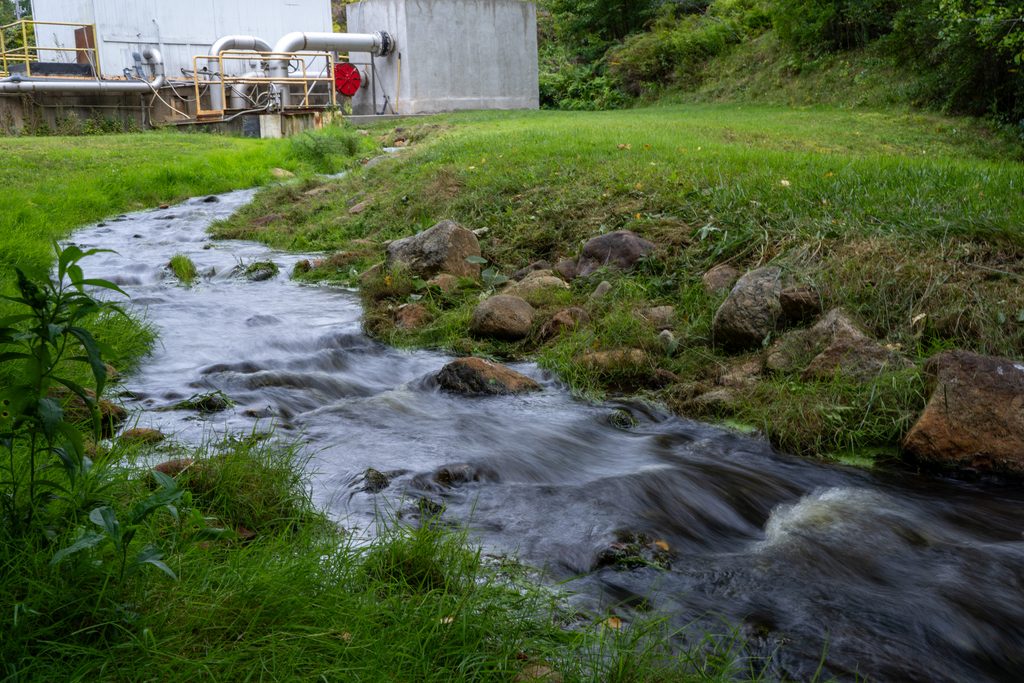
At its Otter River, Massachusetts mill, the company has invested in initiatives that support resource conservation and efficiency, including recycling treated wastewater back into the plant to reduce freshwater demand by approximately 100 million gallons annually, utilizing a backpressure steam turbine to generate electricity from steam already used in manufacturing, and incorporating recycled fiber, which represented 72% of the company’s fiber mix in 2025.
Drawing on more than 30 years of experience manufacturing waxed floral tissue in the United States, Seaman Paper leveraged its vertically integrated operations to respond quickly to the industry’s needs. By bringing papermaking, printing, waxing, and converting together within its U.S. manufacturing network, the company was able to preserve 50 established SKUs while also expanding the offering with new colors, designs, and formats.

The result was SatinWrap Floral, the first vertically integrated floral tissue program in the United States and recipient of the Retail Packaging Association’s 2026 New Product of the Year Award. SatinWrap Floral features 14 FSC™ Certified in-stock colors, six seasonal assortments, and custom printing capabilities of up to six colors.
While SatinWrap Floral was created to address an immediate industry challenge, it reflects a broader commitment that has guided Seaman Paper for nearly 80 years: responsible papermaking, reliable domestic manufacturing, sustainable sourcing, and long-term investment in the markets and communities it serves.
Explore more spotlights from floricultural companies and organizations.
Related News
View All News
News

What We Learned About Sustainability This Summer
The sessions opened the door to conversations about what’s working, where people are getting stuck, and what questions still need better answers.

News
