
news
Sustainable Flowers Take Center Stage in Maine
October 5, 2026
The Maine Maritime Museum’s Slow Flowers festival brought together local florists, farmers, and flower enthusiasts.
A late-summer festival in Maine proved to be the perfect setting to give sustainable flowers the attention they deserve.
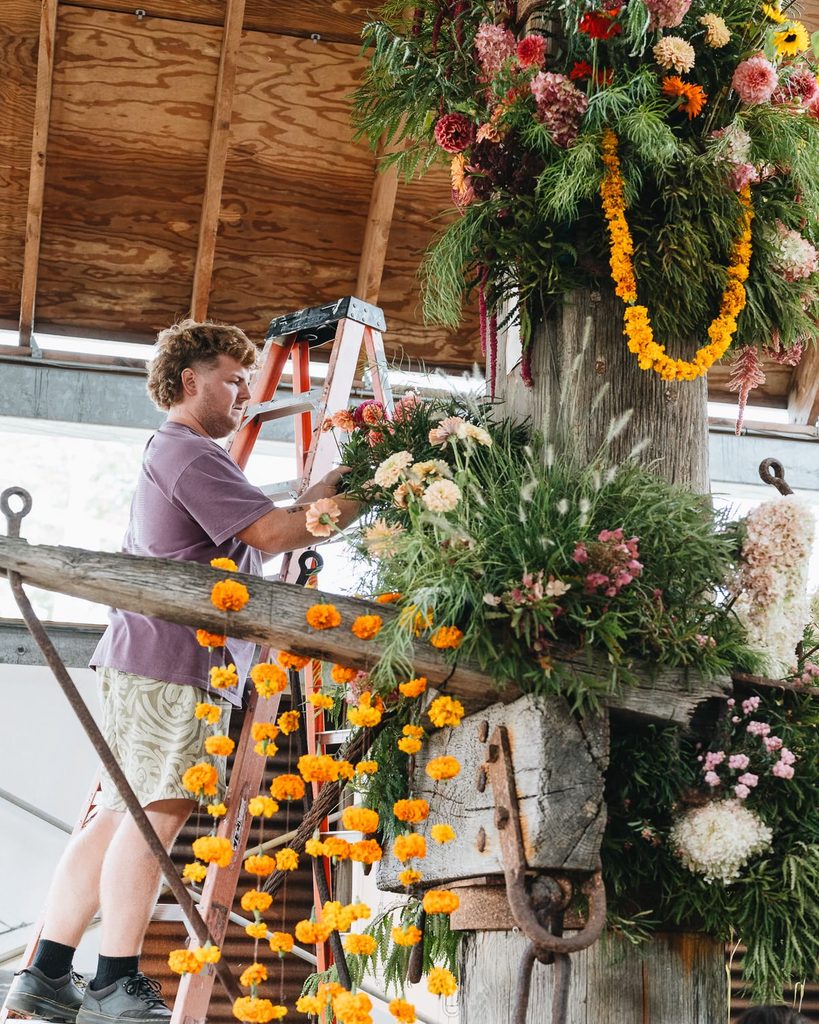
The first-ever Maine Slow Flowers festival hosted by the Maine Maritime Museum took place September 17-20. Slow Flowers is a grassroots movement that promotes local flower production, transparent sourcing, and sustainable floristry.
Roughly 1,000 people attended the event, sponsored by the American Floral Endowment’s Sustainabloom program.
“Here at the museum, we’re always looking for ways to reach new audiences, and for Slow Flowers, we invited the talented folks in the community to create amazing pieces throughout our campus of historic sites and buildings,” said Teresa Gandler, special events manager at the Maine Maritime Museum.”We also brought experts to share their knowledge of different facets of flowers from edible plants in your own backyard to the history of flower farming in Maine, with workshops for attendees to create something new. We hope people left feeling inspired by what you can find at a maritime museum and delighted by the beauty of what is growing all around us.”
Maine in Bloom
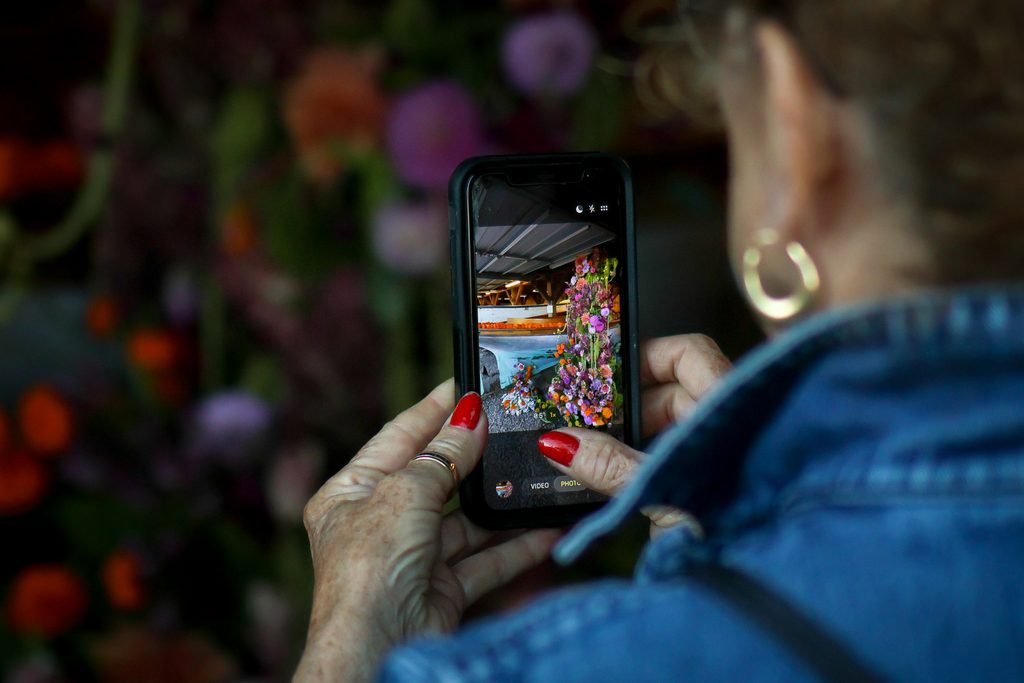
The festival featured installations from nine local florists using flowers that were either donated, foraged, or supplied by Maine Flower Collective. The line-up also included workshops, a plantwalk, a Nightbloom Masquerade dance party, and a lecture on the history of flower production in the state by Dr. Ankit K. Singh, Assistant Extension Professor – Maine Sustainable Agriculture and Ornamental Horticulture Educator at the University of Maine Cooperative Extension.
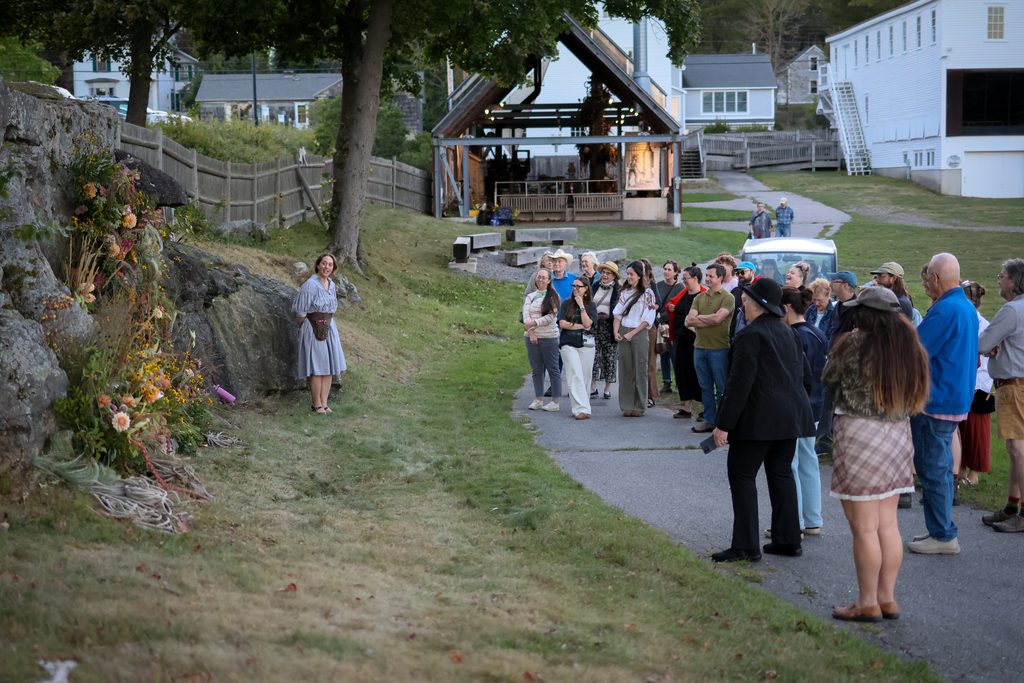
“I was very proud of the stunning floral arrangements set against the beautiful waterfront of the Maine Maritime Museum from our local flower growers in Maine,” said Singh. “It was especially rewarding to see such an engaged audience asking thoughtful questions, sharing their own experiences, and showing genuine interest in the people, opportunities, and challenges that shape Maine’s flower farming industry.”
Maine’s flower industry is rooted in small-scale agriculture, added Singh. In 2024, 59 Maine operations with at least $10,000 in horticultural sales reported nearly $1.5 million in cut flower sales, according to the latest USDA data. And this figure does not include the state’s many flower farms with less than $10,000 in annual sales.
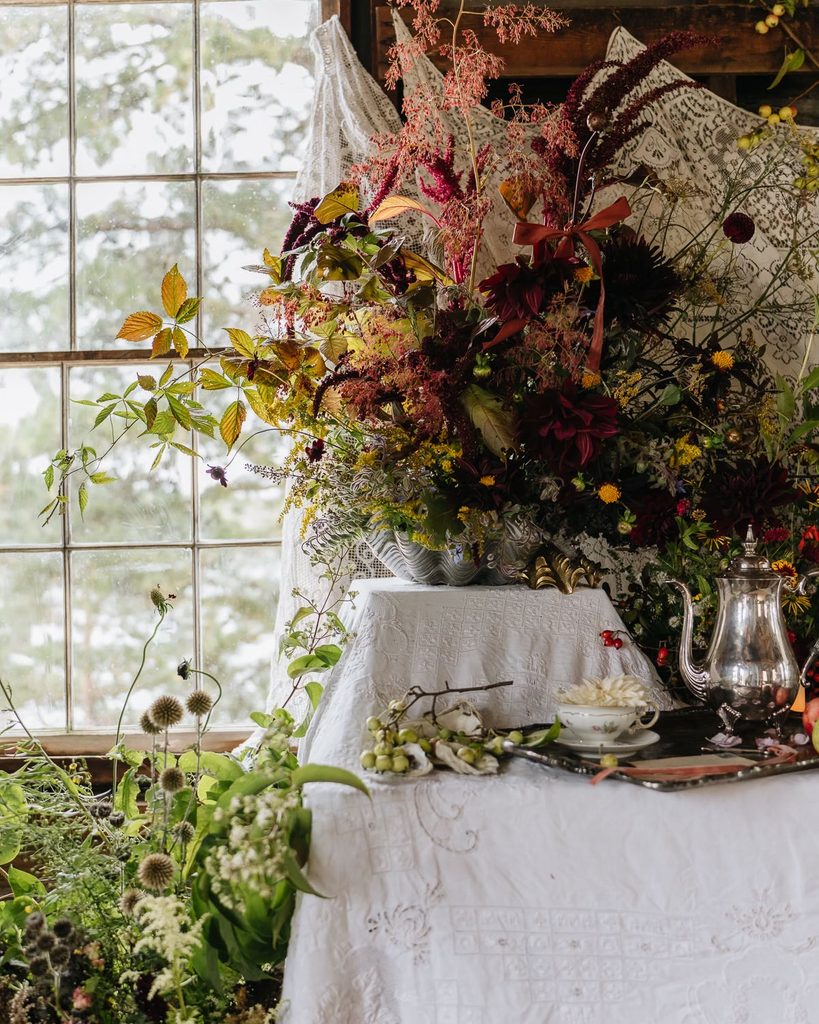
The festival brought that local flower economy to life, giving visitors a chance to experience Maine-grown flowers in an entirely different setting.
“The floral installations on view at Maine Maritime Museum each told a unique story that encouraged people to pause and spend some time with the flowers,” said Maria Salcines, co-organizer of the event, and owner and operator of Fogwood Gardens in Arrowsic, Maine. “The sculptural, large builds were all different, and used many locally farmed or foraged flowers and greenery that people recognized, as well as many new varieties that they encountered for the first time. It can be difficult for floral design to bridge into the world of art, and this floral exhibition had people thinking about flowers in a whole new way.”
What We Heard from Festivalgoers
A survey distributed through the festival gathered a total of 63 responses, with participants representing a range of ages and connections to flowers. More than half (52%) reported purchasing flowers at least monthly, while respondents also commonly identified themselves as floral consumers or home gardeners. Fifteen respondents worked in the floral or horticulture industry, providing a mix of industry and consumer perspectives.
Most respondents were women (89%), and the largest age groups were 25–34 and 35–44.
The installation appeared to increase attendee familiarity with sustainable flowers and floristry. Before viewing the installation, respondents rated their knowledge at an average of 2.56 out of 5. Afterward, that number increased by nearly a full point. The change was even greater among people who don’t work in the floral industry, suggesting that the installation was particularly helpful for introducing sustainability concepts to a broader audience.
People were also interested in what comes next: respondents gave an average rating of 4.5 out of 5 for wanting to learn more about sustainable flowers and floristry, and 4.7 out of 5 for considering sustainability when purchasing flowers in the future. The topics of most interest to attendees were sustainable floral design techniques, floral supply chains and sourcing, social sustainability (supporting communities, fair wages, working conditions, etc.), opportunities for reuse and circular economy, how flowers are grown, and floral waste and composting.
The results suggest that an engaging floral installation can be an effective way to introduce sustainability concepts while encouraging people to consider sustainability in future flower purchases.
Related News
View All News
News

What We Learned About Sustainability This Summer
The sessions opened the door to conversations about what’s working, where people are getting stuck, and what questions still need better answers.

News
