
news
From Data to Decisions: Using Consumer Insights to Grow Sustainably
April 16, 2025
Understanding existing and potential customers is one of the most critical strategies for success for businesses across all industries. The ability to tailor to customers’ needs and wants allows business owners to establish strong relationships, expand consumers and retain a hearty customer base.
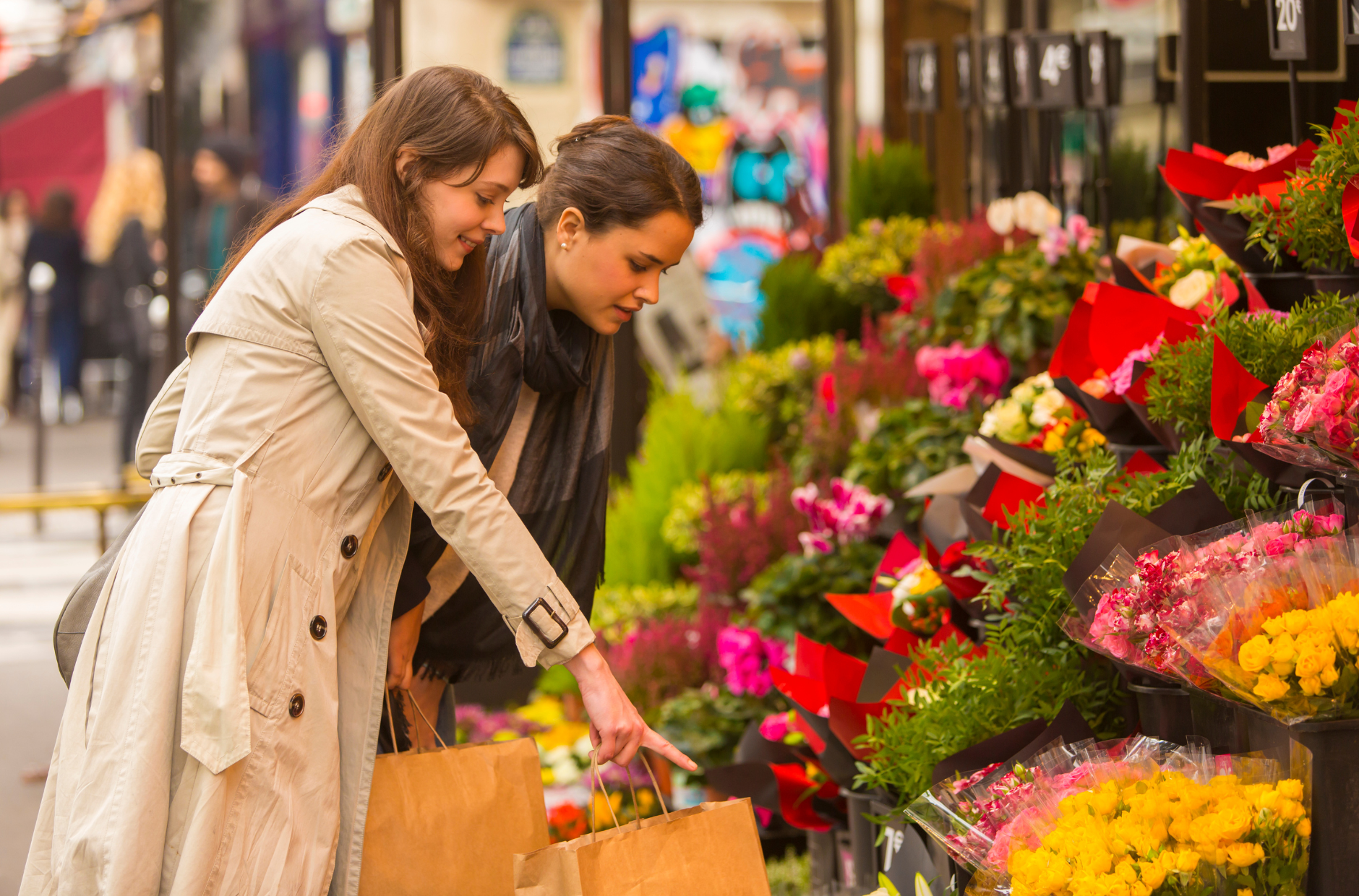
For floriculture businesses, the need to respond to consumer awareness of sustainability practices is no different. Simply put, environmentally sensitive customers will make their purchasing decisions with businesses that align with their values.
In an effort to guide floriculture businesses in their sustainability efforts, the American Floral Endowment (AFE) developed Sustainabloom, a comprehensive collection of educational tools and resources derived from credible research and expert guidance. The initiative seeks to provide information in a clear, straightforward manner to help industry members in their sustainability efforts. In terms of consumer demand and preferences, researchers developed a guide that addresses how floriculture businesses can evaluate the trends of sustainability among industry consumers and finesse their business models to respond to that demand.
Analyzing the Data

The guide, prepared by researchers Amanda Solliday, Miriam Mohamed, and Dr. Melinda Knuth, Department of Horticultural Sciences North Carolina State University, is intended for all members of the floriculture industry – from growers and wholesalers to retailers, florists, transporters and suppliers. In their findings, the researchers noted that 60% of respondents in a survey indicated they are more likely to purchase from an environmentally-friendly florist. The researchers also shared highly useful data drawn from studies conducted from 2016 to 2023 about consumer behavior in the floriculture industry.
Here are some highlights:
- Consumers are willing to pay more for locally-sourced flowers
- Consumers pay attention to packaging materials and prefer options that are more eco-friendly, including non-plastic and biodegradable materials.
- Consumers are less likely to have concerns about energy consumption and fuel sources.
- Consumers are willing to pay higher prices from a floral provider who engages in composting practices.
- Consumers are becoming more aware of insect communities and are making purchases to attract pollinators to their landscaping.
- Consumers indicated problems with finding adequately-labeled and reasonably priced pollinator-friendly plants.
- Consumers are more likely to pay more for plants that are grown organically.
- Consumers are less likely to pay more for fair-trade flowers.
Sustainabloom’s guide breaks down the data, which is a combination of surveys, interviews and panel discussions. It is a crucial starting point, the researchers noted, to establish a strong basis of consumer behavior. As with all the Sustainabloom guides, the information about consumer demand and preferences will be frequently updated as consumer trends and data evolve.
Misinformation Consequences
Misleading consumers about sustainability practices, whether intentionally or by mistake, can carry heavy consequences, including causing mistrust and the loss of customers. Termed “greenwashing” in the guide, researchers note the practice of misinformation (using terms such as “natural” or “green” when those practices are not in place) can not only result in customers becoming suspicious about a business but potentially casting doubt on sustainability practices throughout the entire industry.

To help businesses ensure they are relaying truthful information, the researchers also provide resources about verified certification programs, evaluation programs, and tips to guide floriculture industry members with their messaging to consumers about their sustainability practices.
Check out the full industry guide here!
By Carla Dempsey


